AT A PACKED PRESS CONFERENCE IN MILAN, UFI HIGHLIGHTS ITS PRESENCE IN FORMULA 1 AND MOTORSPORT AS PROOF OF ITS TECHNOLOGICAL EXCELLENCE
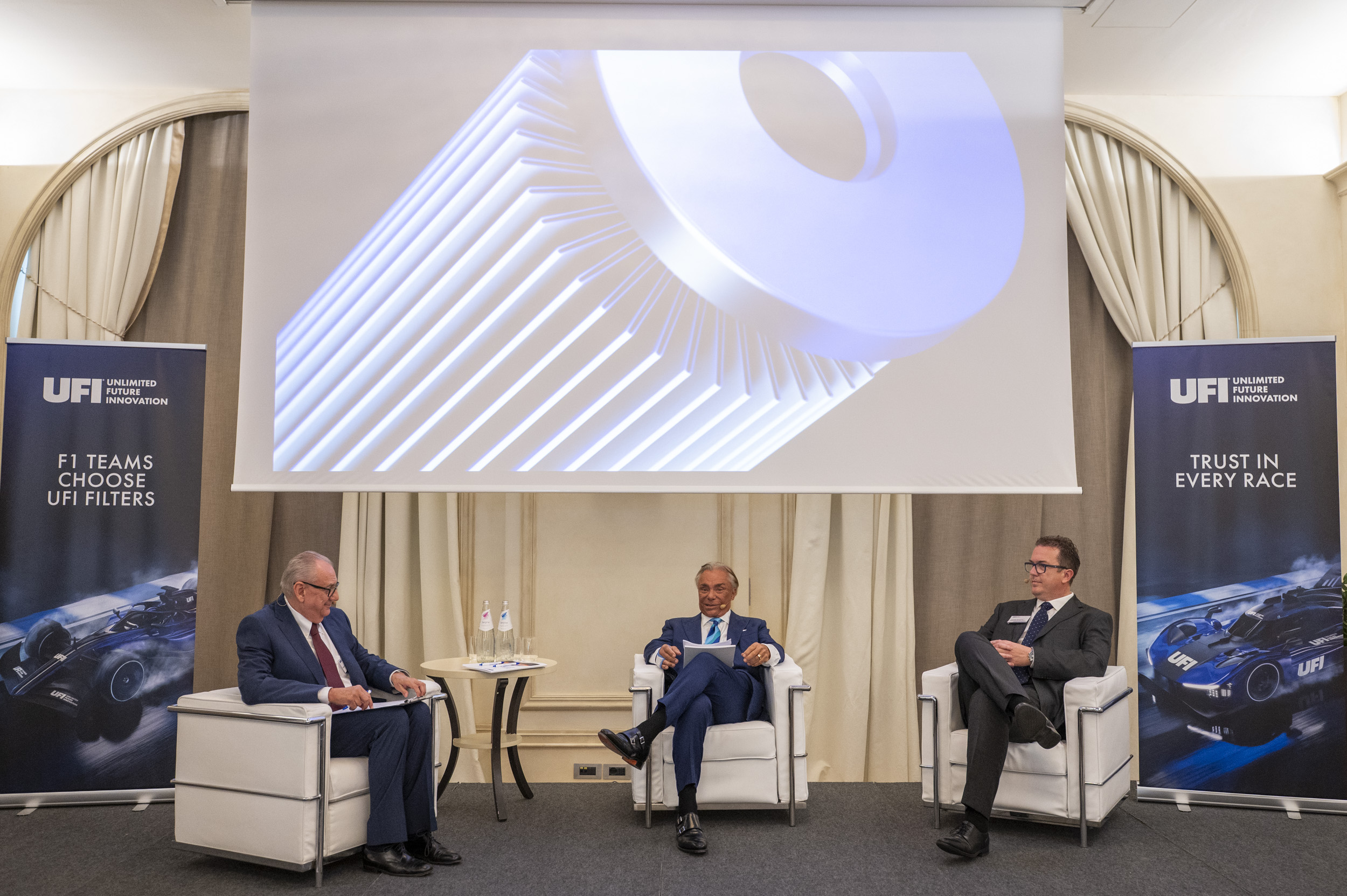
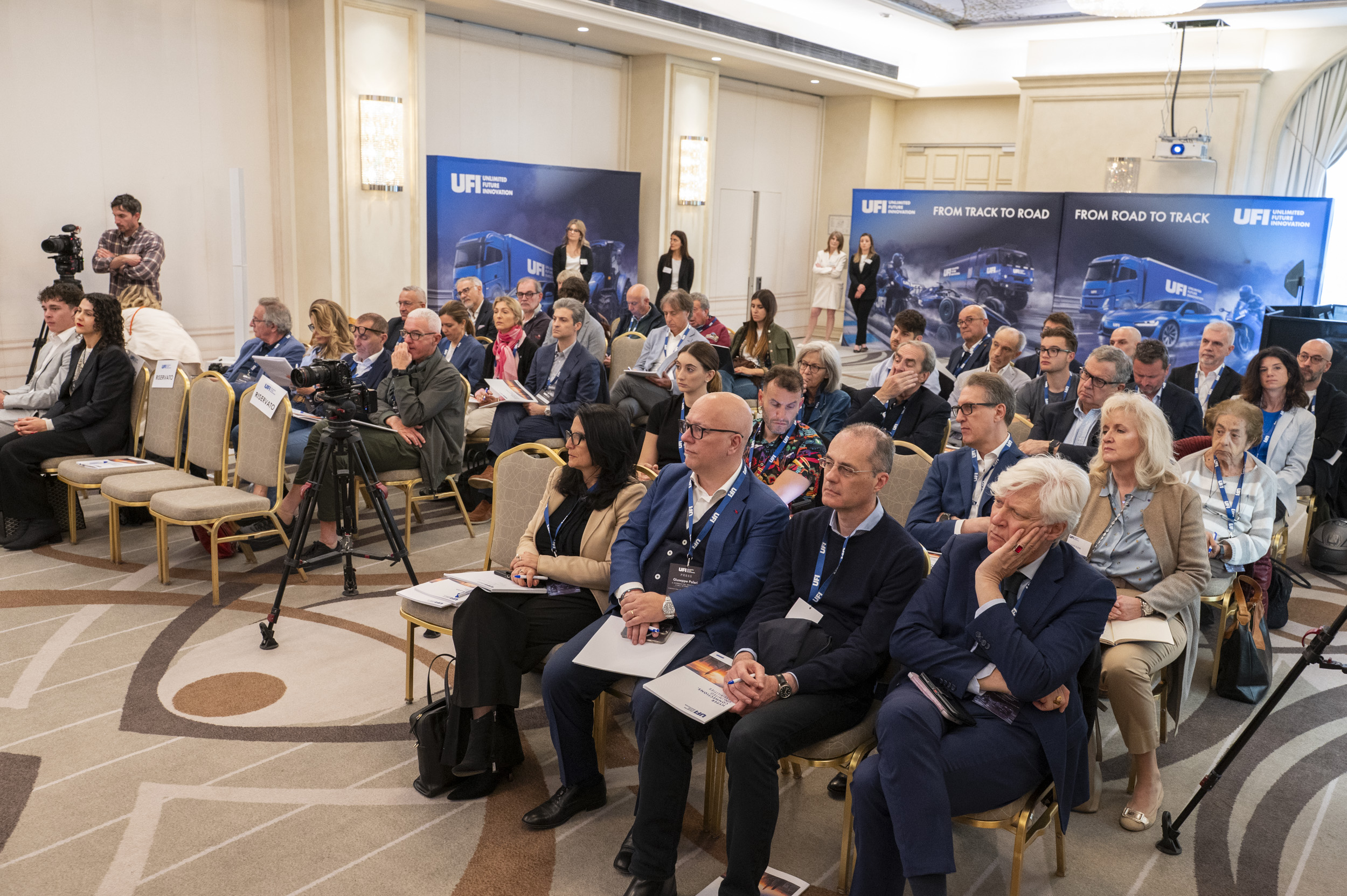
UFI supplies its filters to all 11 Formula 1 teams participating in the 2026 World Championship, and thanks to this advanced research, it develops technologies that are then applied to its products for road vehicles: this is the message conveyed to a large audience of journalists, during the press conference held at the Principe di Savoia Hotel in Milan. The May 8 event featured our Chairman, Giorgio Girondi, and the head of the Advanced Applications Division, , who provided a detailed overview of UFI’s activities in motorsport and the resulting benefits for production at the original equipment level for all major manufacturers and for the aftermarket, and vice versa, through a two-way transfer of knowledge.
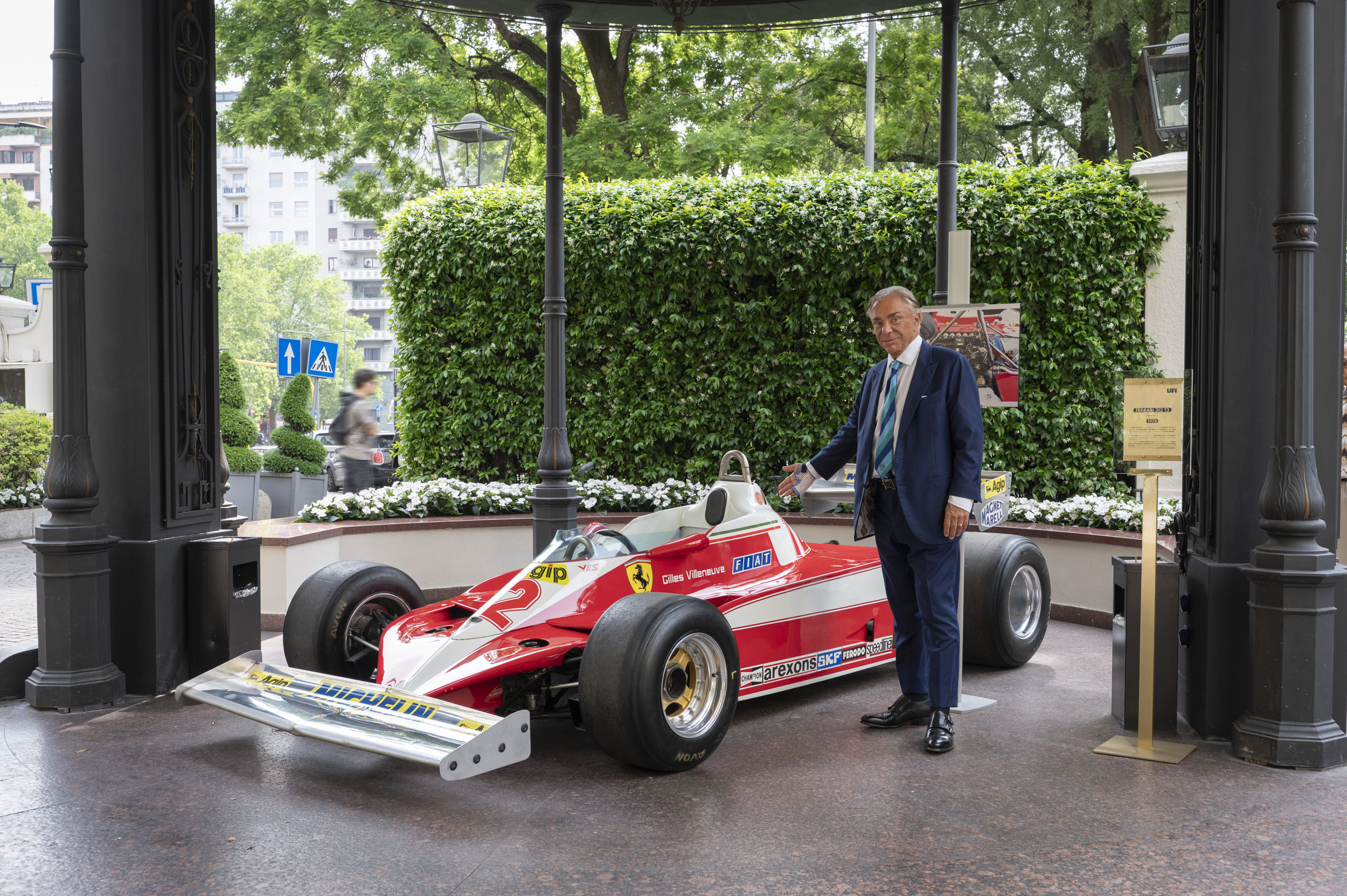
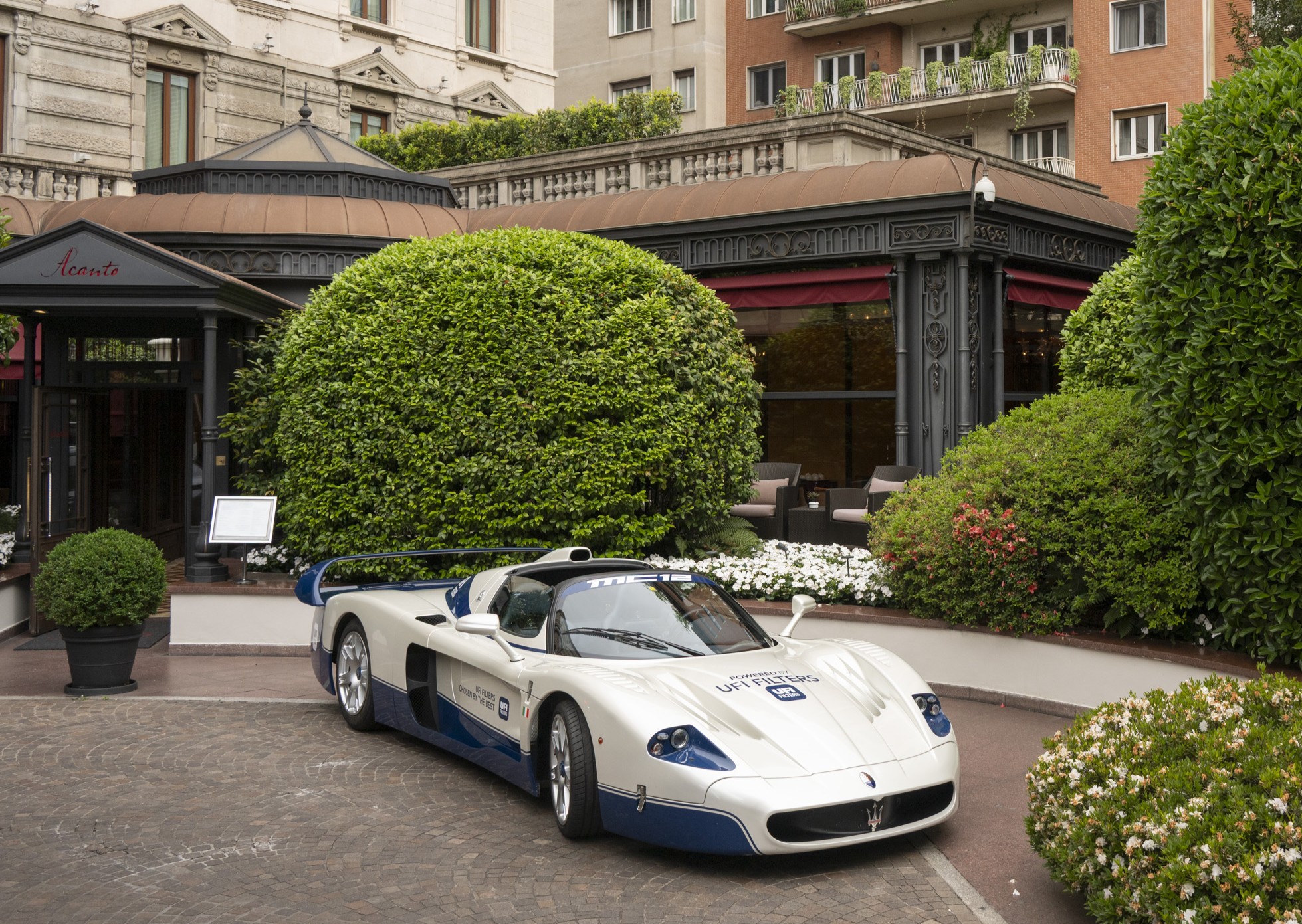
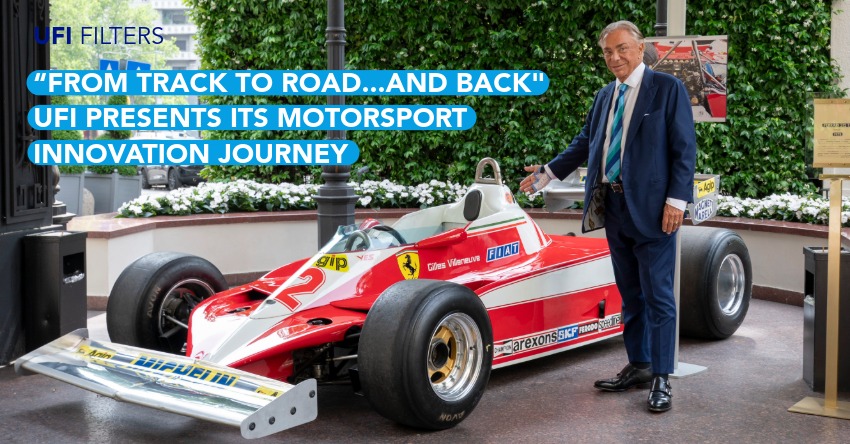
The participants, representing both the motorsports press and media outlets covering production cars and automotive components, were greeted at the hotel entrance by three cars of particular significance to UFI’s history and product portfolio: a Ferrari 312 T3 Formula 1 car, the model with which Carlos Reutemann won the 1978 British Grand Prix—the first single-seater to be fitted with a UFI oil filter, securing UFI’s first victory in the pinnacle of motorsport; a Maserati MC12, a road-going supercar that also won in GT races, for which UFI developed several filters at the request of Maserati Corse; a futuristic Cybertruck, an electric pickup truck equipped with a sophisticated cabin air filter ( HEPA ).
A COMPELLING (AND WINNING) STORY
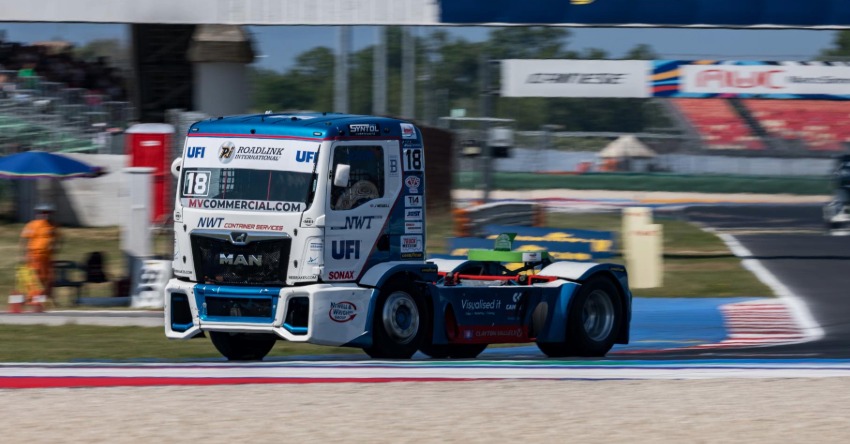
During the meeting, Chairman Giorgio Girondi recounted the history of UFI from its origins to its current status as, highlighting how the company invested as early as the 1980s in a market that was then virtually unknown—China—thereby securing a role that today places it in a privileged position within one of the world’s most important markets. The Chairman then reviewed our company’s successes in motorsport, starting with the first F1 world titles won with Ferrari in 1979 and noting that these achievements were not limited to the world of Grand Prix racing but have also extended over time to the DTM, the German Touring Car Championship won in 1992 with Alfa Romeo, to the world rally titles won with the legendary Lancia Delta and at the Dakar Rally, which saw the triumphs of Iveco and trucks equipped with our filters; furthermore, today, thanks in part to our collaboration with Dallara, which brings UFI filters to the Indianapolis 500, there is virtually no motorsport category that does not use our products, including MotoGP, where we supply the Aprilia and KTM teams.
TECHNOLOGICAL EVOLUTION
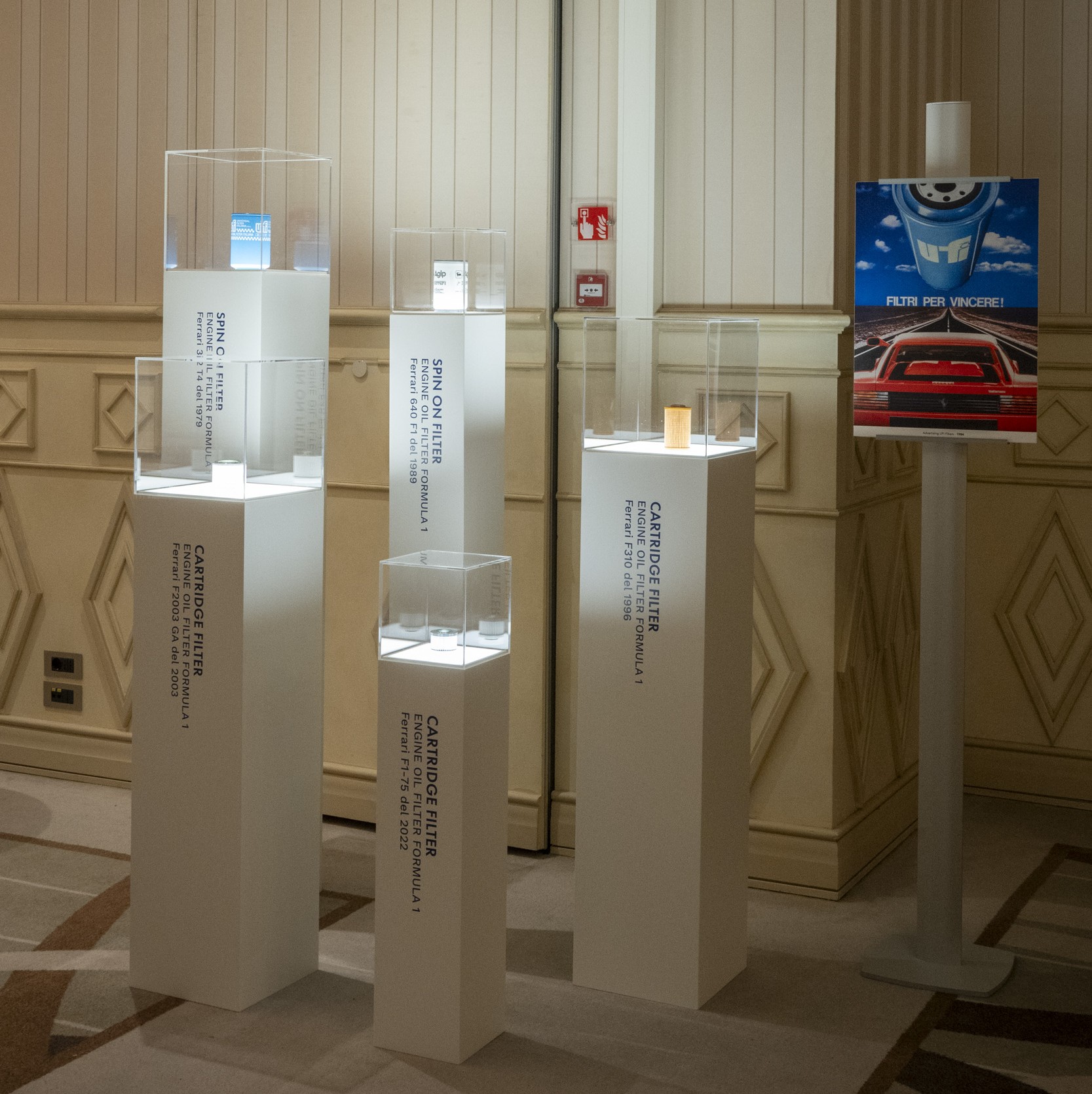
Chairman Girondi and manager of the Advanced Applications Division, also reviewed the extraordinary evolution of our competition filters: while an engine oil filter for a Formula 1 Ferrari weighed about 1.5 kg in 1978, today they weigh just over 60 grams, and some other single-seater filters weigh no more than 20 grams. The types of filters supplied to the teams belong to two main categories: filters for the engine area (primary and secondary engine oil, high-pressure fuel circuit, and engine air) and filters for the chassis area (for the engine and hybrid component cooling circuits, as well as for the hydraulic circuits of the power steering, brakes, and movable wings, which are essential for driver safety). All filters are custom-made to meet each team’s specifications; approximately 6,000 are produced annually at our Marcaria (MN) facility for F1, with an additional 4,000 used in various motorsport categories. The materials used in their production are among the most advanced, such as fiber carbon, titanium, aluminum, and special polymers (). Throughout the season, our technicians are always ready to quickly implement the modifications requested by the teams to accommodate the developments gradually introduced on the single-seaters: F1 imposes extremely tight deadlines to meet the teams’ needs and is therefore an extraordinary technological training ground.
Sometimes, however, the process is reversed: “The advanced research conducted in our Innovation Centers,” explained Dr. Girondi to journalists, “often allows us to develop solutions originally intended for road vehicles, but which, due to their technological sophistication, can easily find application in motorsport as well.” This is yet another source of pride for a company like ours which, as the Chairman noted at the close of the meeting, can already claim today to be the 2026 Formula 1 World Champion, regardless of who wins on the track.