Lower emissions, more renewable energy, a future-oriented industrial vision, and a tangible commitment to local communities.
UFI presents its 2025 Sustainability Report, confirming a growth path that combines industrial innovation, environmental responsibility, and a strong focus on people. The document outlines a year of tangible progress in emissions reduction, investments in renewable energy, and an increasingly structured commitment to the energy transition, within a complex and constantly evolving global context.
Now in its fifth edition, the Report has been prepared in accordance with the GRI Standards and is based on a double materiality assessment aligned with the European Sustainability Reporting Standards (ESRS), evaluating both the impacts of the Group’s activities and their financial implications. The report is subject to independent limited assurance, ensuring transparency and reliability.
Environment: Lower Emissions, More Renewables
In 2025, the Group achieved a significant improvement in its environmental performance. Direct emissions (Scope 1) decreased by 16% compared with 2024, while indirect emissions related to purchased energy (Scope 2, market-based) fell by 11%. These results stem from a combination of greater energy efficiency, reduced consumption of gas and fuel, and a growing share of electricity generated from renewable sources.
Solar energy played a key role: electricity generated by photovoltaic systems for self-consumption increased from approximately 500,000 kWh to more than 919,000 kWh, nearly doubling in just one year. This was complemented by increased purchases of renewable energy certificates (I-RECs), supporting the decarbonization of the Group’s energy mix.
People and Communities: Commitment from Within
Alongside its environmental achievements, the Report highlights UFI’s commitment to its people: more than 4,400 employees worldwide, with health and safety indicators continuing to improve. The same sense of responsibility drives the Group’s engagement with local communities.
In 2025, UFI supported social, educational, and healthcare projects in several countries through a decentralized approach that empowers local teams to develop initiatives tailored to the specific needs of their communities—environmental education, circular economy projects, collaboration with non-profit organizations, and support for vulnerable individuals.
The goal is to actively contribute to the development of the areas where UFI operates, strengthening ties with local communities and creating value that extends beyond industrial activity.
A Clear Direction
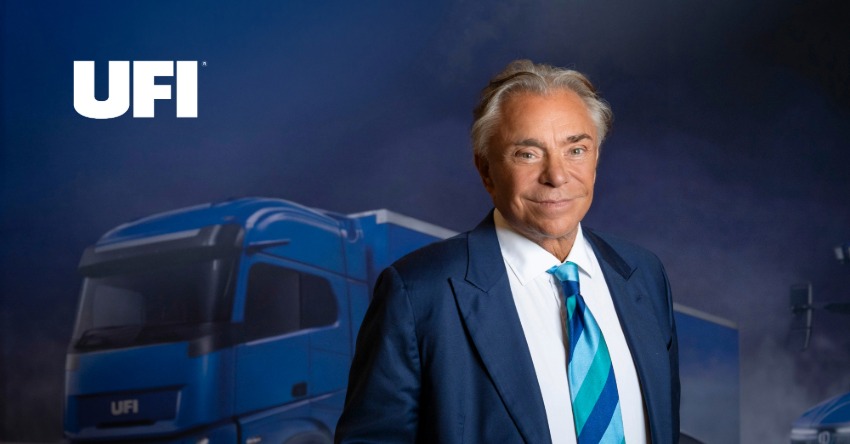
These results are part of a long-term industrial vision, as highlighted by UFI Chairman Giorgio Girondi in the opening message of the Report:
“Sustainability does not represent a change in our identity, but rather its natural extension. It is embedded in the way we think, design, and operate. It requires attention, responsibility, and the ability to make choices that create lasting value over time.”
This vision is shared by UFI’s CEO, who emphasizes that sustainability is now fully integrated into the company’s decision-making processes:
“In 2025, we continued to strengthen the integration of sustainability into our business—not as a parallel path, but as a compass guiding our decision-making process and the way we measure performance. This has translated into tangible progress across several areas: we reduced our emissions, increased our use of renewable energy, and reinforced our commitment to the efficient management of resources.”
Measurable results, long-term investments, and a clear direction: combining industrial competitiveness with responsibility, while building a solid, consistent, and future-oriented growth path.